WE STITCH FOR YOU
Lehenga Stitching Near Me
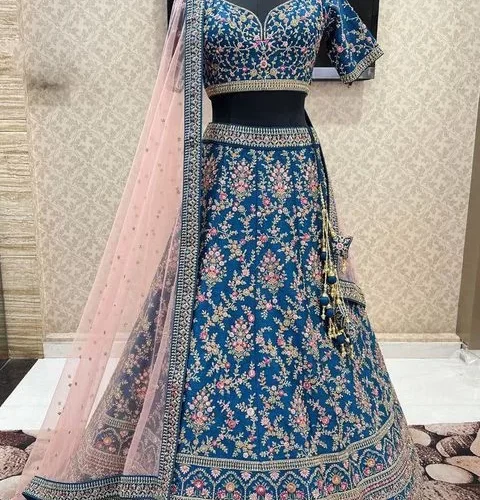
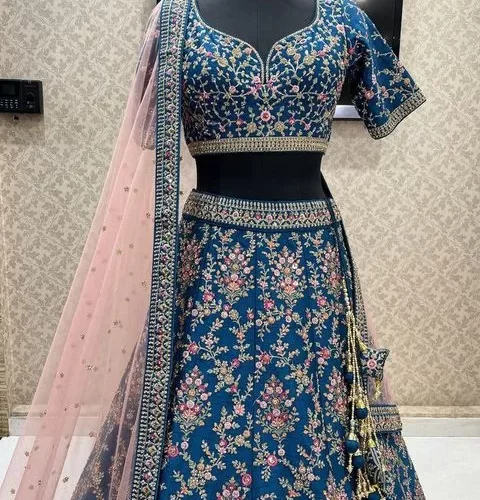
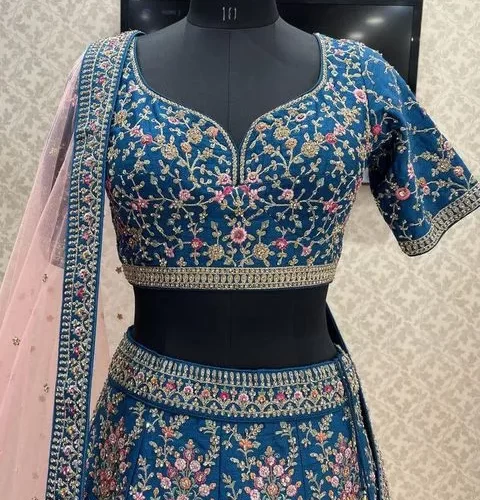
Silailor is one of the leading lehenga stitching services in India, offering custom designs and workmanship on every lehenga we stitch. We believe our clients deserve the best quality of work, and we ensure they receive it by providing precision stitching and an eye for detail in every garment we make.
No matter the complexity of your design, you can rest assured that Silailor, the best lehenga tailor in Delhi, will do it right the first time and use only high-quality fabrics and accessories to bring your vision to life.
WHY WE ARE THE BEST
What Make Us The Best Lehenga Stitching Service Provider?
A lehenga choli is a sari that traditionally falls just below the knee. Made from 9 yards of fabric, it can be round or rectangular and features a pleated bottom edge. The lehenga style originated in northern India and has been around for about two centuries.
We provide service with complete transparency to our clients and discuss all our policies.
With decades of experience in tailoring, we continuously focus on customer satisfaction.
Our team is always available via live call and Chat support to resolve your problem as soon as possible.
We provide doorstep Services which include taking measurements and delivering your clothing items.
YOUR DESIGN, WE DELIVER
➜ Providing you with maximum level of comfort & confidence in every time!
Types of Lehenga Choli Every Girl Should Have
Whether you’re heading to an Indian wedding or just want to feel great on your next night out, the lehenga choli or sari blouse is a stylish and sexy addition to any woman’s wardrobe.
You can choose from thousands of designs and colors, but to make sure you get the right one for you, it helps to know the types of lehenga cholis available. This guide explains five of the most common styles and why each is special in its own way.
Kanchli Nalki style
A Kanchli Nalki choli is a beautiful hand-woven pleated skirt from India. They’re often made from cotton, silk, or georgette and may feature colorful border embroidery.
Here’s what you need to know before you go: – The size will vary depending on the material used, but in general, a medium should fit someone who is around 5’6 “tall with a US size 4 or 6 waist.
Jari Embroidery Style
In the Indian context, a lehenga choli consists of two parts: the lehenga and the choli. Traditionally, a lehenga is a long skirt with pleats at the waistline that falls to about mid-calf length.
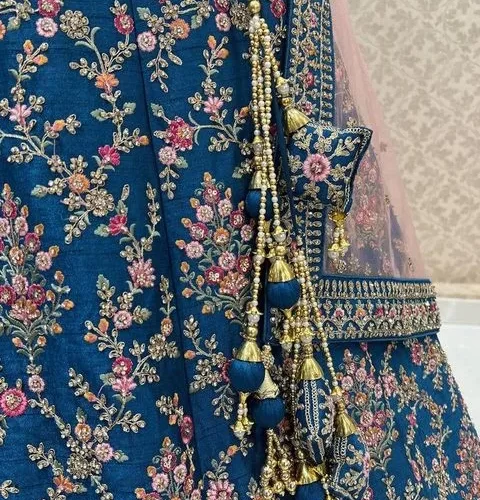
The choli is essentially a blouse piece with short sleeves that provides additional grace and flair. Jari embroidery is a traditional style in which light-colored threads are meticulously stitched into dark-colored fabric, twisted around each other in zigzag or S-shaped patterns to create symmetrical floral motifs across the entire garment.
Banarsi Style
Banarsi is a classic style and one of the most popular. When worn, it drapes the body like a second skin. The hem is usually adorned with Jewelled appliqués or embroidery and can be embellished with sequins or semi-precious stones.
Since they’re typically made of velvet, they need to be handled with care because the fabric frays easily. If you’re looking for a touch of glamour, opt for Banarsi cholis with sequins rather than stones. Avoid washing your Banarsi choli in water; air-dry only, and iron when necessary to prevent premature wear.
Banjara Style
Banjara lehengas are popular for their intricate embroidery and unique patterns inspired by folk art from rural India.
These lehengas are often embellished with intricate jewelry. This type is typically worn by Indians for weddings and other special events.
Banjaras can come in any color, but are most typically seen in red, yellow, or orange because these are traditional colors in Indian culture.
Banjaras will always be heavily decorated with beadwork and embroidery that follows the theme. These dresses tend to be heavy because they have a lot of embellishments sewn onto them, which makes them weigh more than other lehenga cholis.
Tips to Help You Look Your Best in a Lehenga Choli
1) Start With Comfort
Make sure you can stand or sit comfortably, and that the lehenga choli is neither too tight nor too loose. Get someone else to help with this step.
They can help tug at the fabric and put it on from the back to make sure everything fits properly. Do this before you step out of the fitting room because you will want to come out looking like your best self!
2) Invest In Fabrics That Suit Your Body Type
We recommend taking these measurements from a lehenga tailor in Delhi while you’re wearing a thin dress, without any underwear. It’s best not to measure yourself right after you’ve worked out or eaten, as your stomach may have bloated.
For a perfect fit, your dress should be able to go over your head without unzipping and off the ground by at least an inch. If possible, bring another person with you and ask them to help you take your measurements.
3) Opt For Simple And Flattering Silhouettes
Avoid trying too many different trends at once; opting for something simple that flatters your body will always be the best choice.
When you go shopping for Indian clothing, it’s best to take your measurements and then head to the nearest tailor or mall. At the tailor’s shop, be sure to ask for style advice when selecting fabrics. Don’t settle for something just because it feels right!
4) Consider Local Weaves
Lehengas are typically made of silk, georgette, cotton, or chiffon, but nowadays you can find lehengas and saris made from beautiful Indian weaves like shola patola, general, and banarasi.
When buying your lehenga or saree, know that the fabric’s quality can make all the difference. The different textures and designs you see on embroidery-covered cotton will always look more elegant than something found in your local department store.
The advantage of most of these Indian weaves is that they retain their natural sheen without needing to be ironed.
5) Know Your Measurements
An important thing to know when you’re getting ready for the big day is your measurements. Here’s how you can measure yourself:
Measure around your waist just below your belly button (in inches). Be sure not to suck in your stomach! This will be the widest part of your body, and the measurement from there will shrink as you go up.
Measure around the circumference of your bust, making sure that all straps are unhooked/loose if wearing strapless. These two measurements should yield different numbers, depending on where you measure.
6) Get Help From Tailors If Necessary
Lehenga cholis have different styles depending on where they’re worn. The style you choose can affect your comfort and how you look.
If you’re not familiar with the ins and outs of lehengas, it’s best to speak with someone who knows the type of dresser that would be ideal for the event and location.
A great way to tell if you’ve found someone reputable is to ask whether they have references or photos of past events where their work has been showcased.
7) Buy Embellishments As An Afterthought
Lehengas are traditionally embellished with gold or silver embroidery and mirrorwork, which can get quite expensive. But that doesn’t mean you need to buy all of your embellishments before you start sewing.
I like to purchase embroidery at the store only when I need it, and then add embellishments like sequins, rhinestones, and beads as I go along, so I can tailor my lehenga’s look to the amount I want to spend. The good thing about buying decorations as you go is that it gives you more design options and ensures your lehenga will be one-of-a-kind.
ADDITIONAL QUESTIONS
Frequently Asked Questions
How Much Does It Cost To Stitch A Lehenga?
How Long Does It Take To Stitch A Lehenga?
What Is Umbrella Cut Lehenga?
This style is characterised by a skirt that flares out from the waistband, creating an A-line silhouette. The shape helps elongate and enhance the overall silhouette, giving it a graceful and elegant appearance.
How Much Cloth Is Needed For A Lehenga?
On average, a standard lehenga requires 3.5 to 5.5 metres of fabric for the skirt alone. Heavily flared, bridal, circular, or panelled (kali) lehengas may require 6 to 10 metres or more to achieve the desired volume and drape.
Additional fabric will also be needed for the choli (blouse) and dupatta, depending on their design and measurements.
How Many Kalis Should A Lehenga Have?
Generally, a higher number of kalis creates a fuller silhouette. Designers often use different numbers of kalis to achieve specific styles, ranging from simple everyday lehengas to heavily flared bridal lehengas.
How Many Layers Are There In A Lehenga?
A heavily embroidered choli can be worn over it and is usually buttoned up in front.
Which Type of Lehenga Is Best?
At first, this outfit may seem a little complicated to wear because it consists of multiple pieces and layers. However, with the right styling and draping, a sharara lehenga can be carried with elegance and confidence.
What Is A Semi Stitched Lehenga?
This allows for a more personalised fit and styling, making semi-stitched lehengas a popular choice for those who want customisation without opting for a completely unstitched outfit.
What Is The Difference Between A Lehenga And A Gown?
Traditionally, the outfits were designed to accentuate femininity and complete the bridal look with an embellished saree or choli. A lehenga usually ranges from knee-length to floor-length.
A gown is a formal dress that is often worn at weddings, receptions, and special occasions. It is commonly made from fabrics such as silk, satin, lace, or tulle, and can also be crafted from synthetic materials like nylon.
